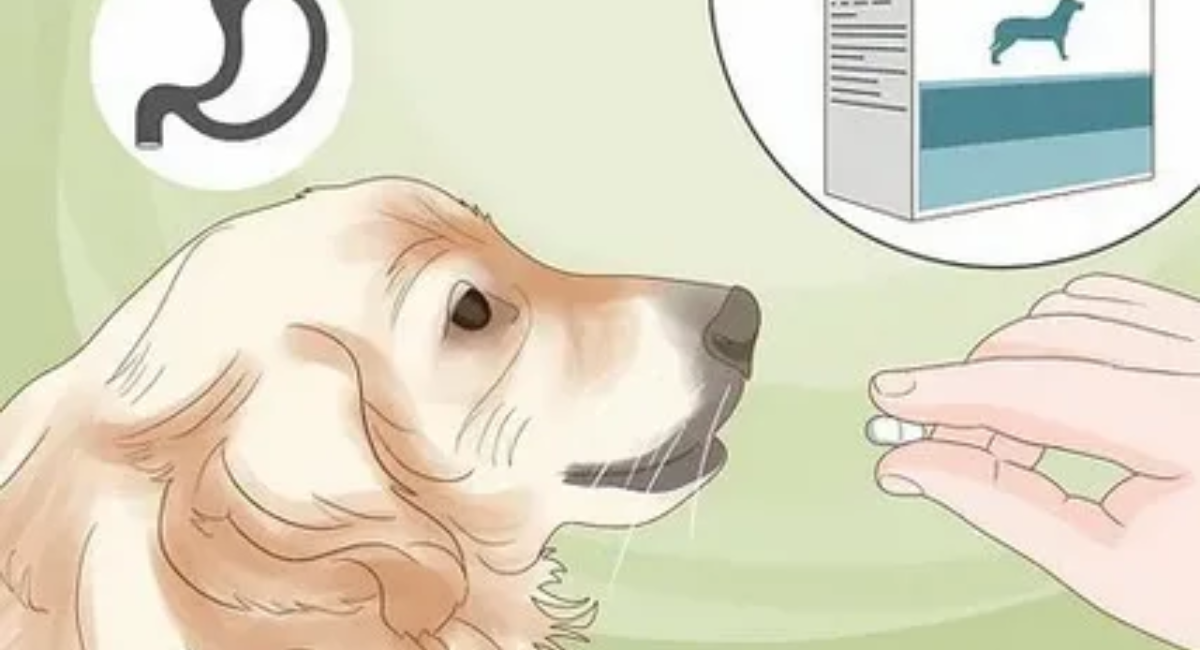
RetrieverAllergies:MostCommon(&HowTo Treat Them)  Golden Retrievers are loved for their gentle nature, intelligence, and loyalty. But along with their friendly personality, they also come with a higher risk of developing allergies. If you’re a Golden Retriever owner, understanding RetrieverAllergies:MostCommon(&HowTo Treat Them) is essential for keeping your dog comfortable, healthy, and happy.
Allergies in Golden Retrievers can affect their skin, digestion, and overall well-being. While these issues are common, the good news is that with the right care and early detection, they can be effectively managed.
Why Golden Retrievers Are Prone to Allergies
Golden Retrievers have sensitive immune systems, which can sometimes overreact to harmless substances. This overreaction leads to allergy symptoms such as itching, redness, and irritation. Genetics also play a major role, meaning if a dog’s parents had allergies, there’s a higher chance the puppy will too.
Most Common Types of Retriever Allergies
When discussing RetrieverAllergies:MostCommon(&HowTo Treat Them), it’s important to understand the different types your dog might face.

1. Food Allergies
Food allergies happen when your dog’s body reacts negatively to certain ingredients. Unlike food intolerance, these allergies involve the immune system.
Common triggers include:
- Chicken
- Beef
- Dairy products
- Wheat and grains
Symptoms:
- Itchy skin and ears
- Chronic ear infections
- Vomiting or diarrhea
- Paw licking
2. Environmental Allergies (Atopy)
These allergies are caused by substances in your dog’s surroundings.
Common triggers:
- Pollen
- Dust mites
- Mold spores
- Grass
Symptoms:
- Excessive scratching
- Red or watery eyes
- Sneezing
- Licking paws constantly
These allergies are often seasonal but can also occur year-round depending on the trigger.
3. Flea Allergy Dermatitis
Some Golden Retrievers are extremely sensitive to flea saliva. Even a single flea bite can cause a severe allergic reaction.
Symptoms:
- Intense itching, especially near the tail
- Hair loss
- Skin infections
- Red, inflamed skin
This type of allergy is one of the most uncomfortable for dogs and requires immediate attention.
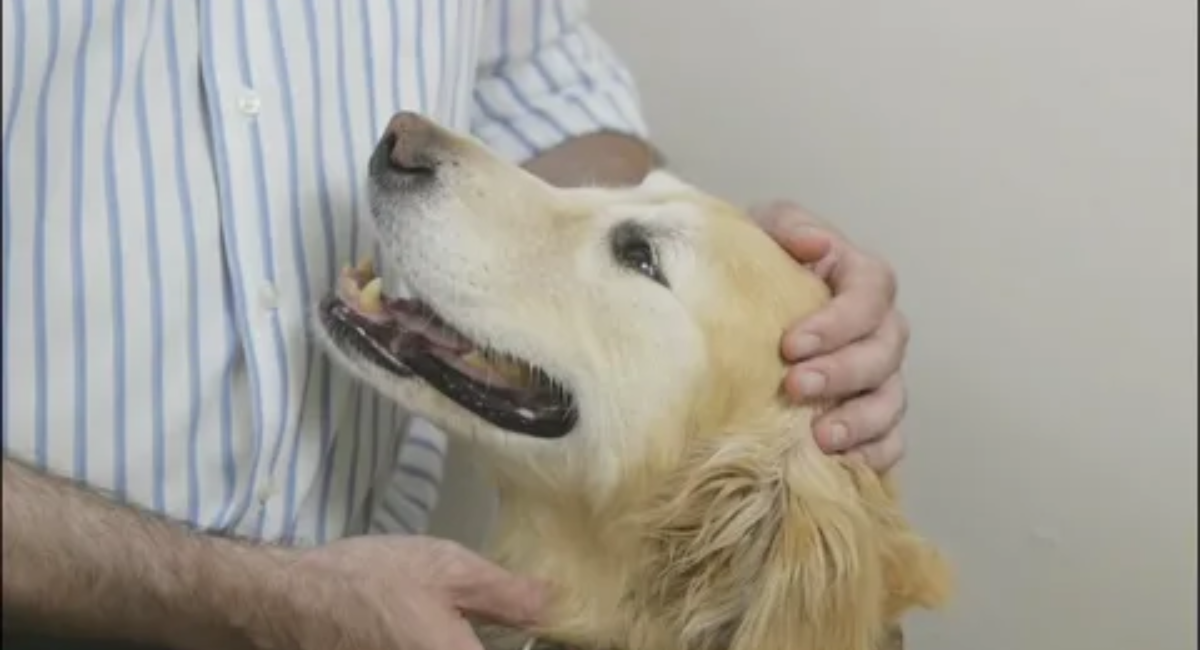
4. Contact Allergies
Contact allergies occur when your dog’s skin reacts to something it touches.
Common triggers:
- Harsh shampoos
- Cleaning chemicals
- Synthetic fabrics
- Certain plants
Symptoms:
- Rashes
- Red patches
- Localized itching
Signs Your Golden Retriever Has Allergies
Recognizing symptoms early is key when managing RetrieverAllergies:MostCommon(&HowTo Treat Them).
Watch out for:
- Constant scratching or biting
- Red or inflamed skin
- Ear infections
- Hair thinning or bald spots
- Unpleasant odor from skin or ears
- Digestive issues like diarrhea
If these symptoms continue for more than a few days, it’s time to take action.

How To Treat Golden Retriever Allergies
Treating allergies requires a combination of proper diagnosis, care, and consistency.
1. Identify the Cause
The first and most important step is finding out what’s triggering the allergy.
Your veterinarian may suggest:
- Elimination diet trials
- Blood or skin allergy testing
- Physical skin examinations
Without identifying the cause, treatment may only provide temporary relief.
2. Adjust Diet (For Food Allergies)
If food is the problem, switching your dog’s diet can make a huge difference.
Recommended options:
- Hypoallergenic dog food
- Limited ingredient diets
- Grain-free food (only if advised by a vet)
Once you identify the trigger ingredient, completely avoid it.
3. Medications
In moderate to severe cases, medication may be necessary.
Common treatments include:
- Antihistamines to reduce itching
- Steroids for inflammation
- Immunotherapy (allergy shots) for long-term relief
Always use medications under veterinary guidance.
4. Grooming and Hygiene
Keeping your Golden Retriever clean helps reduce allergens on their skin.
Tips:
- Bathe regularly with gentle or medicated shampoo
- Brush fur to remove dust and pollen
- Clean ears weekly to prevent infections
5. Flea Prevention
Since flea allergies are severe, prevention is critical.
Use:
- Monthly flea treatments
- Vet-approved flea collars
- Regular grooming checks
6. Home Care and Environment
Your home environment plays a big role in managing allergies.
Simple steps:
- Vacuum regularly to remove dust
- Wash bedding weekly
- Use air purifiers
- Avoid strong cleaning chemicals
When To See a Vet
Even if you’re following all the right steps, some cases need professional help.
Consult a vet if:
- Symptoms get worse
- Your dog is constantly uncomfortable
- Home remedies don’t help
- You notice infections (pus, swelling, bad smell)
Conclusion
Understanding RetrieverAllergies:MostCommon(&HowTo Treat Them) helps you take better care of your Golden Retriever. While allergies are common, they don’t have to control your dog’s life. With early diagnosis, proper treatment, and a clean environment, your furry companion can live a happy, itch-free life.
Consistency is the key—regular vet visits, a proper diet, and good hygiene can make all the difference.
Meta Description:
RetrieverAllergies:MostCommon(&HowTo Treat Them) — Learn the common allergies in Golden Retrievers, their symptoms, causes, and effective treatments to keep your dog healthy and itch-free.